

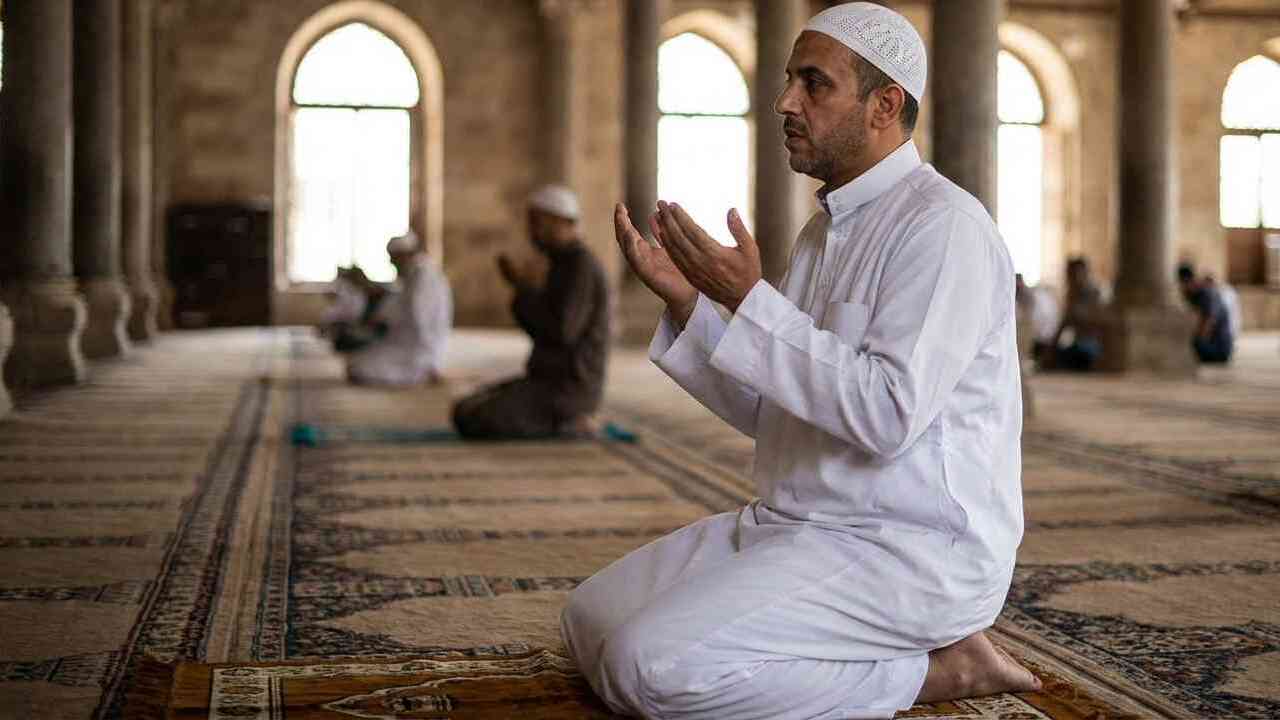
ikhlas (sincerity) is the soul of every deed. Without ikhlas, even great acts of worship may lose their value in the sight of Allah, while simple deeds can become immensely rewarding when done with pure intention. In today’s modern world—where recognition, visibility, and validation often dominate—understanding and practicing ikhlas is both a challenge and a necessity for every Muslim.
This article provides a deep, comprehensive, and accessible explanation of ikhlas in Islam, covering its definition, foundations in the Qur’an and Sunnah, levels of sincerity, and practical ways to embody ikhlas in everyday life.
Definition of Ikhlas in Islam
Linguistically, ikhlas comes from the Arabic root khalasha, which means pure, clean, or free from any mixture. In Islamic terminology, ikhlas refers to:
Purifying one’s intention in all acts of worship and good deeds, seeking only the pleasure of Allah, without expecting praise, status, or worldly gain.
The following is the definition of sincerity from several Muslim scholars or imams.
- 1. Imam Al-Ghazali (Hujjatul Islam)
Imam Al-Ghazali defines ikhlas as purifying one’s intention from all kinds of hidden polytheism (shirk) and worldly motives. It is the act of aligning one’s inner state with the outward act of worship, aiming for the pleasure of Allah alone.
Reference: Ihya’ Ulumuddin (Revival of the Religious Sciences), particularly in the sections discussing the purification of the heart and intentions, and Kitaab Al-Arba’in Fi Usul ad-Din (The Forty Principles of the Religion). - Ibn al-Qayyim al-Jawziyyah
Ibn al-Qayyim describes ikhlas as the “slaughtering” of desire for human praise and recognition, ensuring that the internal and external actions are identical.
Reference : Madarijus Salikin (Stages of the Wayfarers) and Al-Fawa’id (The Useful Knowledge). - Fudayl ibn ‘Iyad
Imam Fudayl ibn ‘Iyad, a renowned scholar of the early generations, emphasized that ikhlas means not doing or leaving an action because of people.
Reference : Jami’ ul-‘Ulum wal-Hikam of Ibn Rajab al-Hanbali (quoting Fudayl).
Ikhlas is inseparable from niyyah (intention). The Prophet Muhammad ﷺ said:
“Actions are judged only by intentions, and every person will get the reward according to what he intended.” (Bukhari & Muslim)
This hadith highlights that the true value of any action lies not in its outward form, but in the sincerity hidden within the heart.
Quranic Evidence on Ikhlas
The concept of sincerity is repeatedly emphasized in the Qur’an. Among the most important verses are:
وَمَآ اُمِرُوْٓا اِلَّا لِيَعْبُدُوا اللّٰهَ مُخْلِصِيْنَ لَهُ الدِّيْنَ ەۙ حُنَفَاۤءَ وَيُقِيْمُوا الصَّلٰوةَ وَيُؤْتُوا الزَّكٰوةَ وَذٰلِكَ دِيْنُ الْقَيِّمَةِۗ ٥
“And they were not commanded except to worship Allah, being sincere to Him in religion, inclining to truth.” (Surah Al-Bayyinah 98:5)
This verse clearly shows that sincerity is the essence of worship and devotion.
اِنَّآ اَنْزَلْنَآ اِلَيْكَ الْكِتٰبَ بِالْحَقِّ فَاعْبُدِ اللّٰهَ مُخْلِصًا لَّهُ الدِّيْنَۗ ٢
“Indeed, We have sent down the Book (Al-Qur’an) to you (Prophet Muhammad) with truth. So, worship Allah by sincerely obeying Him.” (Az-Zumar 39.2-3)
These verses affirm that acts of worship are only meaningful when they are performed with pure devotion to Allah alone.
Ikhlas as a Condition for the Acceptance of Deeds
Islamic scholars agree that every deed is accepted by Allah only when two conditions are fulfilled:
- The deed is done sincerely for Allah alone (ikhlas).
- The deed follows the guidance of the Prophet Muhammad ﷺ (Sunnah).
If one of these conditions is missing, the deed is rejected. Sincerity without proper guidance may lead to innovation, while adherence to the Sunnah without sincerity may lead to showing off.
Levels of Ikhlas
Classical scholars describe ikhlas as having different levels:
1. Sincerity Motivated by Fear and Hope
This is the basic level, where a person worships Allah out of fear of punishment and hope for reward. This level is valid and accepted in Islam.
2. Sincerity Based on Love for Allah
At this level, a believer worships Allah out of love, gratitude, and reverence—not merely for reward or fear of punishment.
3. Pure Sincerity (Ikhlas of the Elite)
This is the highest level, where one acts solely for Allah’s sake, without even focusing on reward or punishment. Worship is performed because Allah alone deserves to be worshipped.
Ikhlas and Riya’: A Subtle Difference
The opposite of ikhlas is riya’ (showing off)—performing good deeds to gain praise or recognition from others. The Prophet ﷺ warned:
“The thing I fear most for you is minor shirk.” When asked what it was, he replied, “Riya’.” (Ahmad).
(أَلَا أُخْبِرُكُمْ بِمَا هُوَ أَخْوَفُ عَلَيْكُمْ عِنْدِي مِنَ الْمَسِيحِ الدَّجَّالِ؟)، قَالَ: قُلْنَا: بَلَى، فَقَالَ: (الشِّرْكُ الْخَفِيُّ، أَنْ يَقُومَ الرَّجُلُ يُصَلِّي، فَيُزَيِّنُ صَلَاتَهُ، لِمَا يَرَى مِنْ نَظَرِ رَجُلٍ). رواه أحمد
Rasulullah ﷺ said, “Should I convey what I fear rather than the slander of the Dajjal?” The friend answered, “Yes.” Then the Prophet Muhammad SAW said, “Hidden shirk, where a young man stands praying when he is seen by others.” (Ahmad).
عن شداد بن أوس – رضي الله عنه – قال : قال رسول الله – صلى الله عليه وسلم – : ” من صلى يرائي فقد أشرك ، ومن صام يرائي فقد أشرك
Narrated from Syadad bin Aus, Rasulullah SAW said, “Whoever prays for people to see has committed shirk, and whoever fasts for people to see has committed shirk, and whoever gives charity for people to see has committed shirk.” (Ahmad).
Riya’ can enter quietly into acts of worship such as prayer, charity, and even da’wah, making it a subtle yet dangerous spiritual disease.
The Challenge of Ikhlas in the Digital Era
In the age of social media, maintaining sincerity has become more difficult. Good deeds are easily documented, shared, and applauded. Muslims are encouraged to reflect:
- Would I still do this deed if no one saw it?
- Do I feel disappointed when my good deeds go unnoticed?
Islam does not prohibit public good deeds when the intention is to inspire others. However, the heart must remain vigilant against the desire for praise.
Practical Ways to Cultivate Ikhlas
Maintaining sincerity requires continuous effort. Some practical steps include:
- Correcting intentions before, during, and after every deed
- Concealing good deeds whenever possible
- Frequently making du‘a for sincerity
- Remembering that Allah’s judgment matters more than people’s opinions
- Regular self-reflection (muhasabah)
A well-known supplication taught by the scholars is: > “O Allah, I seek refuge in You from associating anything with You knowingly, and I seek Your forgiveness for what I do unknowingly.”
Ikhlas in Daily Life
Ikhlas is not limited to ritual worship. With the right intention, everyday activities can become acts of worship, such as:
- Working and earning a livelihood
- Seeking knowledge
- Raising a family
- Helping others and serving the community
Through sincere intention, ordinary actions gain extraordinary spiritual value.
Conclusion
Ikhlas is the foundation of Islam and the key measure of every deed. In a world increasingly driven by recognition and self-promotion, sincerity serves as a spiritual compass that preserves a believer’s relationship with Allah.
May this article remind us that Allah looks at our hearts before our actions, and that the quality of our deeds matters more than their visibility.
*May Allah make us sincere servants


