

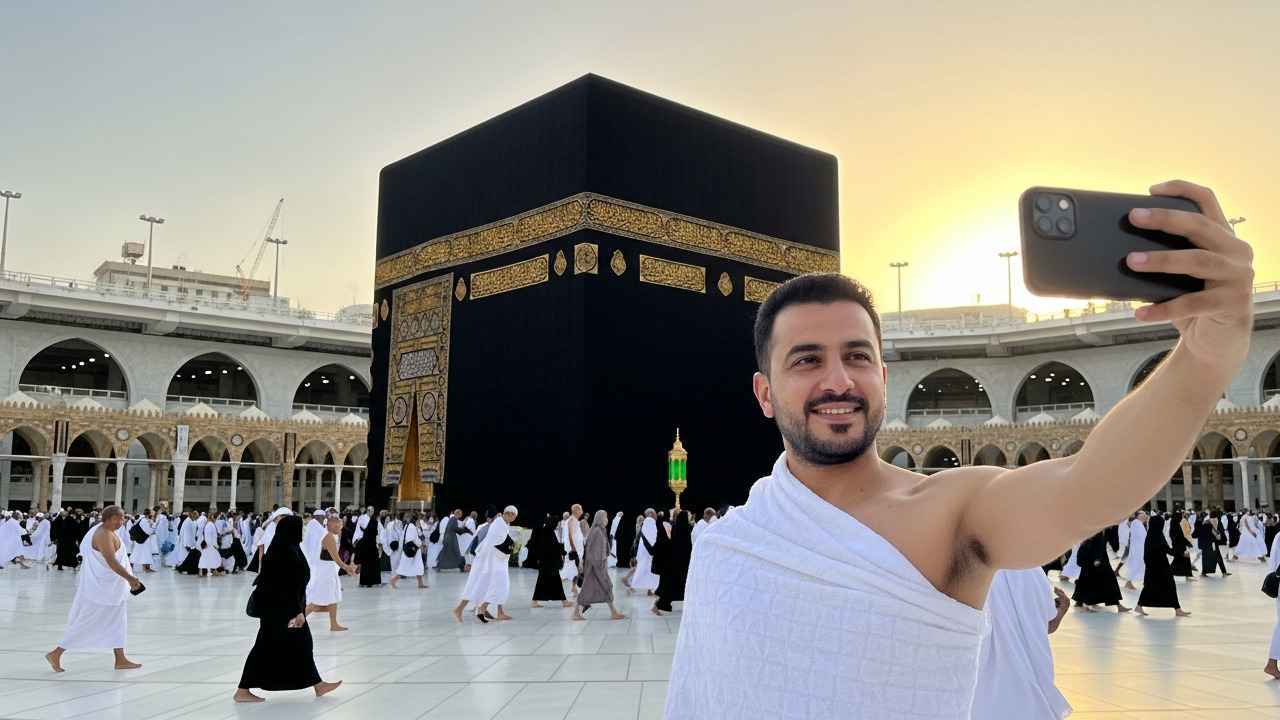
The digital age has transformed how people communicate, express themselves, and even perform acts of worship. Social media platforms allow good deeds to be shared instantly with a global audience. While this connectivity can inspire others, it also raises a serious spiritual concern in Islam: riya—performing good deeds for the sake of being seen and praised by others.
In an era where visibility is rewarded and validation is quantified through likes, shares, and comments, Muslims are challenged to protect the purity of their intentions. This article explores riya in the digital age and provides Islamic guidance on maintaining sincerity amid constant exposure.
Understanding Riya in Islam
Riya comes from the Arabic word ra’a, meaning “to see.” In Islamic terminology, riya refers to:
Performing acts of worship or good deeds with the intention of being seen, admired, or praised by people rather than seeking the pleasure of Allah.
Qur’anic References
The Qur’an strongly warns against showing off in worship:
فَوَيْلٌ لِّلْمُصَلِّيْنَۙ ٤ الَّذِيْنَ هُمْ عَنْ صَلَاتِهِمْ سَاهُوْنَۙ ٥ الَّذِيْنَ هُمْ يُرَاۤءُوْنَۙ ٦
“So woe to those who pray, but who are heedless of their prayer—those who make a show of their deeds.” (Surah Al-Ma’un 107:4–6)
اِنَّ الْمُنٰفِقِيْنَ يُخٰدِعُوْنَ اللّٰهَ وَهُوَ خَادِعُهُمْۚ وَاِذَا قَامُوْٓا اِلَى الصَّلٰوةِ قَامُوْا كُسَالٰىۙ يُرَاۤءُوْنَ النَّاسَ وَلَا يَذْكُرُوْنَ اللّٰهَ اِلَّا قَلِيْلًاۖ ١٤٢
“Indeed, the hypocrites [think to] deceive Allah, but He is deceiving them. And when they stand for prayer, they stand lazily, showing themselves to the people and not remembering Allah except a little.” (Surah An-Nisa 4:142)
Hadith References
The Prophet Muhammad ﷺ explicitly described riya as a serious spiritual danger:
“The thing I fear most for you is minor shirk.” When asked what it was, he replied, “Riya.” (Musnad Ahmad)
“Whoever does a deed to be heard of, Allah will make it heard of; and whoever does a deed to be seen, Allah will make it seen.” (Sahih Muslim)
These narrations clarify that riya does not merely reduce reward but may lead to humiliation in the Hereafter.
Riya as a Spiritual Disease
Riya does not invalidate belief, but it corrupts deeds. Among its dangers are:
- It shifts the focus of worship from Allah to people
- It weakens the heart’s connection with Allah
- It turns acts of worship into tools of self-promotion
The Qur’an condemns those who pray merely to be seen: > “So woe to those who pray, but who are heedless of their prayer—those who make a show of their deeds.” (Surah Al-Ma’un: 4–6)
How the Digital Age Amplifies Riya
Social media has created an environment where riya can easily flourish:
1. Public Documentation of Worship
Posting photos of charity, Umrah, Qur’an recitation, or volunteering can unintentionally shift intention from worship to performance.
2. Metrics of Validation
Likes, comments, and followers act as measurable forms of praise, subtly training the heart to seek human approval.
3. Personal Branding of Piety
Religious identity can become part of online branding, blurring the line between da’wah and self-image.
Is Sharing Good Deeds Always Riya?
Islam does not prohibit sharing good deeds outright. Intention remains the key factor.
Public deeds may be permissible or even recommended when: – The goal is to encourage others – The action serves educational or da’wah purposes – The heart remains indifferent to praise or criticism
However, secrecy is often safer for the soul, especially for voluntary acts of worship.
Signs of Riya in the Heart
Muslims are encouraged to practice self-awareness. Warning signs include:
- Increased motivation when others are watching
- Disappointment when deeds go unnoticed
- Abandoning good deeds when no audience is present
Recognizing these signs early allows believers to correct their intentions.
Protecting Ikhlas in a Hyper-Visible World
Islam provides clear spiritual guidance to safeguard sincerity, especially in times of widespread exposure.
Guidance from the Qur’an
قُلْ اِنِّيْٓ اُمِرْتُ اَنْ اَعْبُدَ اللّٰهَ مُخْلِصًا لَّهُ الدِّيْنَ ١١
“Say, ‘Indeed, I have been commanded to worship Allah, [being] sincere to Him in religion.’” (Surah Az-Zumar 39:11)
۞ لَيْسَ عَلَيْكَ هُدٰىهُمْ وَلٰكِنَّ اللّٰهَ يَهْدِيْ مَنْ يَّشَاۤءُۗ وَمَا تُنْفِقُوْا مِنْ خَيْرٍ فَلِاَنْفُسِكُمْۗ وَمَا تُنْفِقُوْنَ اِلَّا ابْتِغَاۤءَ وَجْهِ اللّٰهِۗ وَمَا تُنْفِقُوْا مِنْ خَيْرٍ يُّوَفَّ اِلَيْكُمْ وَاَنْتُمْ لَا تُظْلَمُوْنَ ٢٧٢
“It is not your (Prophet Muhammad’s) duty to guide them, but it is Allah who guides whom He wills (based on his readiness to receive guidance). Whatever goodness you donate, (the benefits) are for yourself (yourself). You (believers) do not give infaq, except to seek Allah’s approval. Whatever good you give, you will surely be given (reward) in full and you will not be wronged.” (Surah Al-Baqarah 2:272)
Guidance from the Sunnah
The Prophet ﷺ said:
“Allah does not look at your bodies or your appearances, but He looks at your hearts and your deeds.” (Sahih Muslim)
This hadith emphasizes that sincerity of the heart outweighs outward display.
Scholarly Opinions (Fatwa & Classical Scholarship)
- Imam Al-Ghazali explained in Ihya ’Ulum al-Din that riya is one of the most hidden diseases of the heart and often disguises itself as righteousness.
- Ibn Taymiyyah stated that sincerity is achieved when a servant neither seeks praise from people nor fears their criticism (Majmu’ al-Fatawa).
- Shaykh Ibn ’Uthaymeen emphasized that publishing acts of worship is permissible only when the intention is da’wah or encouragement, not self-praise.
Practical Steps Supported by Scholarship
- Renewing intention before posting or sharing religious content
- Concealing voluntary worship, following the example of the Salaf
- Balancing public da’wah with private devotion
- Frequently supplicating for protection from riya, as taught by the Prophet ﷺ
A recommended supplication: > “O Allah, I seek refuge in You from associating anything with You knowingly, and I seek Your forgiveness for what I do unknowingly.” (Musnad Ahmad)
Conclusion
The digital age is not inherently harmful, but it requires heightened spiritual awareness. Riya thrives in environments of constant visibility, while ikhlas flourishes in humility and self-accountability.
By consciously guarding intentions and prioritizing Allah’s pleasure over public approval, Muslims can navigate the online world without sacrificing their spiritual integrity.


