


JEDDAH, 22 Januari 2026 – The Kingdom of Saudi Arabia, through its Ministry of Sport, has officially launched “Journey to the Holy Sites,” a high-level international youth diplomacy initiative. In strategic partnership with the Organization of Islamic Cooperation (OIC) and the Arab League, the program introduces the modern evolution of Hajj services to the global Muslim youth.
This initiative signals a strategic shift in Saudi diplomacy toward a “youth-driven” approach. Selected delegates from OIC and Arab League member states are invited to explore sacred sites in Makkah, Madinah, and Jeddah—not only for spiritual ritual but to analyze the contemporary management systems supporting them.
Cross-Institutional Collaboration: Tech and Leadership
The program serves as a benchmark for synergy between domestic authorities and international organizations in strengthening Ukhuwah Islamiyah (Islamic brotherhood) within the digital era. Key pillars of this collaboration include:
- Youth Leadership (Ministry of Sport): As the host, the Saudi Ministry of Sport emphasizes crowd management and volunteering systems led by local youth, showcasing a professional, tech-savvy generation serving the “Guests of Allah.”
- Global Solidarity (OIC): The OIC facilitates participation from 57 member states, aiming to build a global consensus that the digital transformation of Hajj is a shared asset for the entire Ummah.
- Heritage and Identity (Arab League): Partnering with the Arab League, the program highlights the preservation of identity amidst modernity, particularly through the restoration of Jeddah’s historic Al-Balad district into a world-class arts and culture hub.
”Smart City” Education in Hajj Logistics
Delegates were granted exclusive access to the high-tech infrastructure under the Kingdom’s development vision. Key technical focuses include:
- AI Optimization : Leveraging Artificial Intelligence (AI) systems to monitor pilgrim movement in real-time across Arafat and Mina to ensure maximum safety, alongside the deployment of interactive robots as a medium for information and communication services for pilgrims.
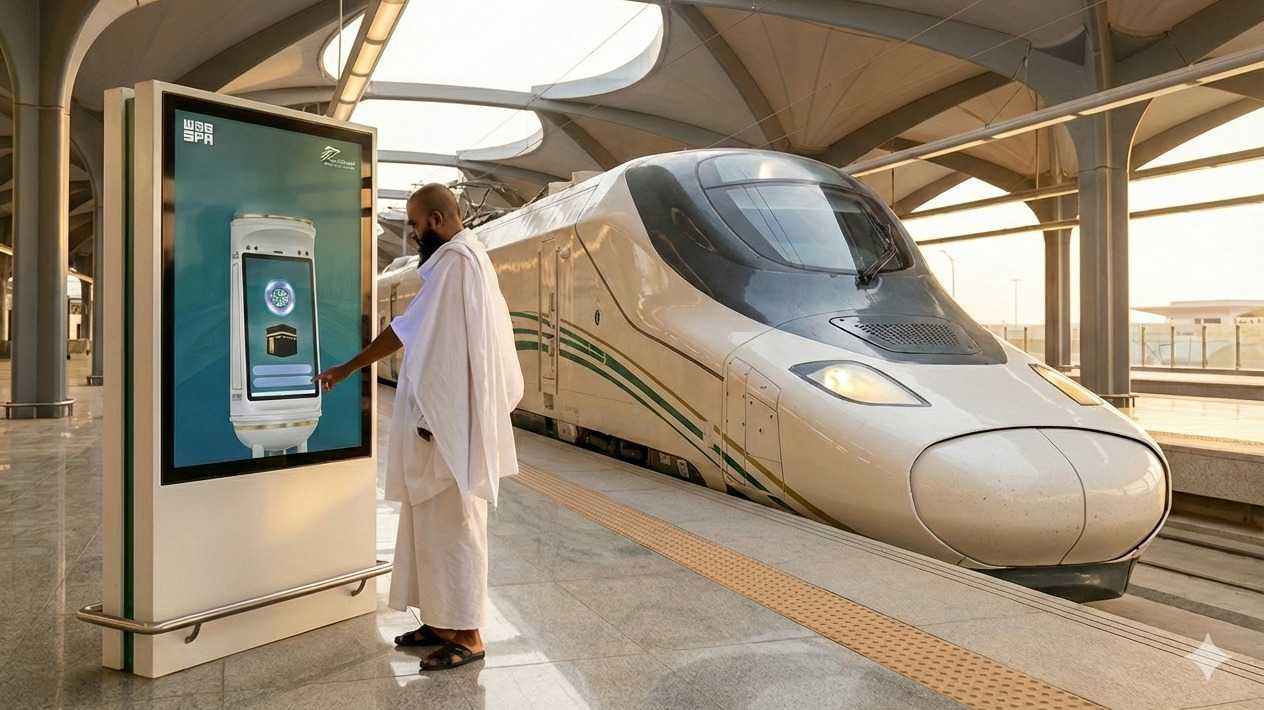
- Digital Infrastructure: Implementation of the Smart Hajj Card and integrated apps that streamline mobility via advanced transport systems like the Haramain High-Speed Railway.
- Sustainable Restoration: In Jeddah, participants observed how modern technology is utilized to restore UNESCO sites while preserving their historical integrity.
Empowering Future Ambassadors
Through this initiative, the Ministry of Sport, OIC, and the Arab League aim to cultivate “Global Muslim Youth Ambassadors” capable of accurately communicating the Kingdom’s transformation in their home countries.
This strategic move is vital in addressing global challenges, where understanding efficient, transparent, and tech-based Hajj management is key to maintaining the trust of millions of prospective pilgrims on waiting lists worldwide, including the 5.6 million in Indonesia.