

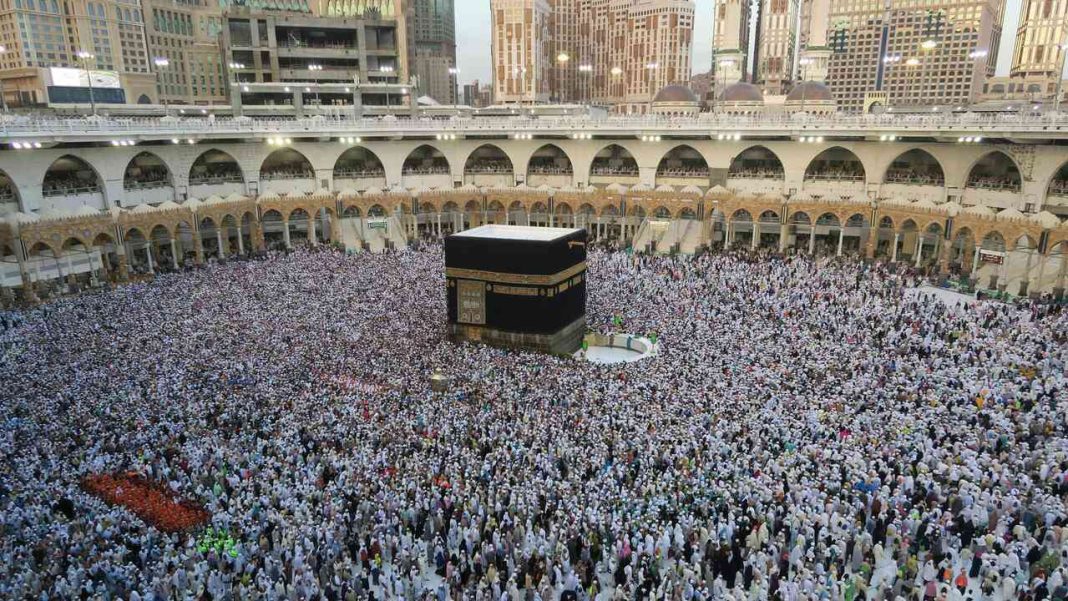

MAKKAH – In preparation for the holy month of Ramadan 1447H, the Saudi authorities have officially activated a specialized service system dedicated to female worshippers at Masjid Al-Haram. This initiative, spearheaded by the women’s affairs unit under the Presidency of Religious Affairs for the Grand Mosque and the Prophet’s Mosque, aims to ensure a seamless and enriched spiritual journey amidst the anticipated surge in pilgrims.
The newly launched operational framework consists of an enrichment plan structured around six strategic pillars, encompassing 24 distinct initiatives. These programs are meticulously designed to elevate the quality of religious services, strengthen Sharia guidance, and optimize facilities for women arriving from diverse linguistic and cultural backgrounds.
The Six Pillars of Service Excellence
The integrated service system operates through six primary pillars, each addressing a vital aspect of the worshipper’s needs:
- Awareness and Guidance: Serving as the frontline of field interaction, female officers are stationed at high-density areas. They provide direct Sharia consultation, answer inquiries regarding worship protocols, and distribute multilingual educational materials to clarify common misconceptions.
- Scientific and Intellectual Affairs: This pillar focuses on the intellectual enrichment of worshippers through organized seminars. The curriculum emphasizes the jurisprudence (Fiqh) of female worship and reinforces the values of religious moderation (Wasathiyah).
- Enrichment and Volunteering: This initiative expands the role of female volunteers within the Grand Mosque. By mobilizing active volunteerism, the authorities aim to increase the efficiency of field responses, including prayer row organization and logistical support.
- Women’s Empowerment: Focused on internal capacity building, this program enhances the professional and intellectual skills of female staff within the Two Holy Mosques. It seeks to prepare a cadre of personnel capable of delivering world-class service standards.
- Public Relations and Institutional Communication: This pillar acts as a vital communication bridge between the administration, worshippers, and relevant stakeholders. It ensures a transparent flow of information to minimize coordination hurdles during the peak season.
- Development and Quality: A dedicated oversight mechanism that implements continuous performance measurement. All services are evaluated in real-time against global best practices to ensure a consistent standard of excellence.
Implementation and Spiritual Impact
The implementation of these services prioritizes the physical presence of female staff at critical checkpoints, both within the mosque’s interior and across its expansive courtyards. By employing a more structured approach, the authorities aim to foster an environment that supports tranquility while preserving the sanctity of the site.
These initiatives are designed to leave a lasting religious and educational impact. Through the integration of technology and rigorous field management, the program is expected to provide a more profound spiritual experience for every woman observing the holy month at Masjid Al-Haram.
This comprehensive rollout further underscores the ongoing commitment to transforming public service standards at Islam’s holiest sites, placing guidance and empowerment at the heart of the pilgrimage experience.